

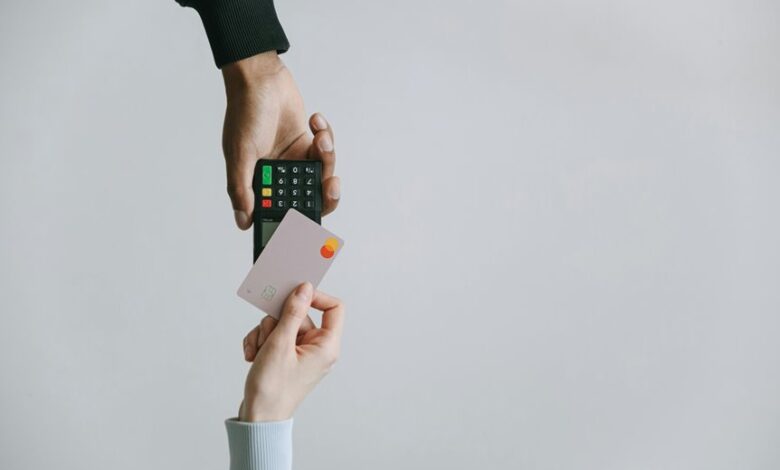
Many customers inquire whether LBC accepts GCash payments. This integration offers a modern solution for those seeking convenience in their transactions. Understanding how GCash works within LBC’s framework can clarify the benefits for users. Furthermore, exploring the payment process reveals additional insights. What advantages could this digital option provide to both individuals and businesses?
Overview of LBC and Its Services
LBC, a prominent logistics and remittance company in the Philippines, offers a wide range of services tailored to meet the needs of both individuals and businesses.
These LBC services include parcel delivery, money transfers, and business solutions, available at numerous LBC locations nationwide.
This extensive network ensures that customers can access reliable logistics and remittance options, enhancing their financial freedom and convenience.
Understanding GCash and Its Features
GCash is a leading mobile wallet in the Philippines, offering users a convenient platform for various financial transactions.
Key features include instant money transfers, bill payments, and online shopping capabilities, all designed to enhance user experience.
Understanding these functionalities provides insight into how GCash integrates with services like LBC for seamless payment options.
GCash Overview
In the realm of digital finance, GCash has emerged as a leading mobile wallet in the Philippines, providing users with an array of features designed to simplify transactions.
Key aspects include:
- GCash security measures to protect user funds.
- Convenient money transfers.
- Access to exclusive GCash promotions.
- Payment options for various merchants.
These features empower users, enhancing financial freedom and accessibility.
Key Features Explained
A comprehensive understanding of GCash reveals several key features that enhance user experience in the digital financial landscape.
GCash offers seamless integration with LBC services, allowing users to conveniently pay for remittances and shipments.
Key GCash features include quick fund transfers, efficient bill payments, and a user-friendly interface, all contributing to a liberating financial experience that empowers users to manage their finances with ease.
The Integration of GCASH With LBC
The recent integration of GCash with LBC marks a significant advancement in the convenience of financial transactions for customers.
This collaboration enhances LBC services by allowing users to:
- Effortlessly pay for packages.
- Access real-time transaction updates.
- Enjoy seamless money transfers.
- Experience improved customer service.
The GCash integration fosters a more liberated financial experience, aligning with the evolving needs of consumers.
How to Make Payments to LBC Using GCash
To make payments to LBC using GCash, users need to follow a straightforward process that ensures efficiency and security. The following table outlines the steps involved in using GCash for LBC payment methods, highlighting the importance of GCash security.
| Step | Description |
|---|---|
| 1 | Open the GCash app |
| 2 | Select “Pay Bills” |
| 3 | Choose “LBC” from the list |
| 4 | Enter payment details |
| 5 | Confirm and complete the payment |
Benefits of Using GCash for LBC Transactions
Using GCash for LBC transactions offers significant advantages, primarily through the convenience of digital payments.
Customers can complete their transactions quickly and efficiently from their mobile devices, eliminating the need for physical cash or trips to the bank.
Additionally, the instant processing of payments ensures that transactions are finalized without delays, enhancing overall customer satisfaction.
Convenience of Digital Payments
Although traditional payment methods remain popular, the integration of GCash for LBC transactions presents a modern solution that enhances convenience.
Utilizing digital wallets for cashless transactions offers several benefits:
- Quick and easy payments
- Reduced need for physical cash
- Enhanced security features
- Accessibility through mobile devices
These advantages cater to a growing desire for efficient, hassle-free financial interactions.
Instant Transaction Processing
The integration of GCash into LBC transactions significantly enhances the speed of financial interactions. Instant payment methods provide users with the freedom and convenience to complete transactions swiftly, elevating digital transaction efficiency. This seamless process not only saves time but also reduces the stress associated with traditional payment systems.
| Benefit | Impact |
|---|---|
| Speed | Faster transactions |
| Convenience | Accessible anytime |
| Security | Enhanced transaction safety |
| Efficiency | Reduced waiting periods |
| Flexibility | Multiple payment options |
Common Issues and Solutions for GCash Payments at LBC
When making GCash payments at LBC, users may encounter several common issues that can disrupt the transaction process.
Here are some typical problems and their corresponding LBC payment solutions:
- Transaction Failure: Check internet connectivity.
- Incorrect Details: Verify recipient information.
- Insufficient Balance: Ensure a sufficient GCash balance.
- System Downtime: Wait and retry later.
Addressing these common GCash issues can enhance the payment experience at LBC.
Conclusion
In conclusion, LBC’s acceptance of GCash payments streamlines transaction processes for its customers, offering a modern and efficient way to utilize their services. As the saying goes, “A stitch in time saves nine,” embracing digital payment solutions like GCash can prevent future inconveniences. By simplifying the payment experience, LBC not only enhances customer satisfaction but also supports the growing demand for cashless transactions in the Philippines, proving that convenience is key in today’s fast-paced world.