

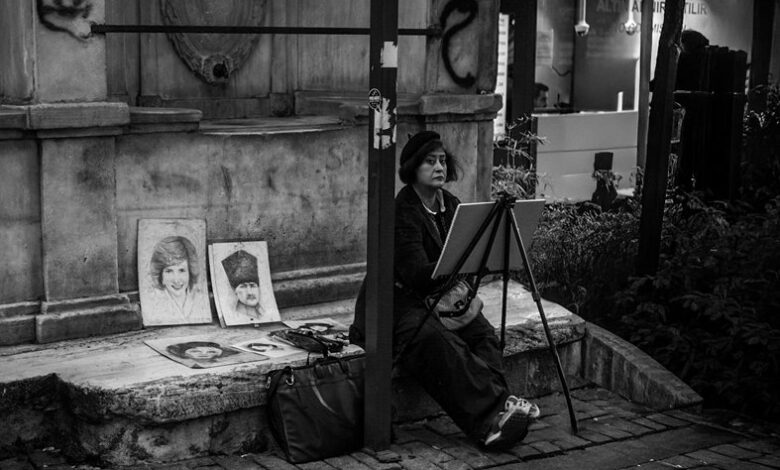
The Toji Age represents a complex interplay of culture, politics, and philosophy in Japan. Its distinctive architectural styles reflect deeper spiritual beliefs and societal shifts. As traditional art forms evolved, they began to narrate a collective identity shaped by changing governance and social norms. This period not only laid the groundwork for modern Japanese culture but also raises questions about the enduring impact of these transformations. What can be gleaned from this historical tapestry?
Historical Background of Toji Age
Although the Toji Age is often overshadowed by more prominent historical periods, its significance in shaping Japan’s cultural and architectural landscape cannot be overlooked.
This era heralded the emergence of Toji architecture, characterized by intricate designs and spiritual purpose. The fusion of aesthetics and functionality during this time laid foundational principles that would influence future generations, emphasizing the enduring value of cultural heritage in an evolving society.
Cultural Developments and Artistic Expressions
The Toji Age emerged as a fertile ground for the flourishing of traditional art forms, reflecting a society deeply intertwined with religious influences.
Artistic expressions during this period not only showcased aesthetic values but also served as conduits for spiritual narratives, demonstrating how faith shaped cultural identity.
This complex interplay between art and religion invites a critical examination of how creativity was harnessed to communicate the profound beliefs of the time.
Traditional Art Forms
While many contemporary art forms often draw inspiration from global influences, traditional art forms remain vital expressions of cultural identity and heritage.
Calligraphy techniques, steeped in history, not only convey language but embody aesthetic philosophies.
Similarly, textile artistry weaves narratives of community and tradition, providing a tactile connection to the past.
These art forms challenge the superficiality of modernity, urging a deeper appreciation for authenticity.
Influence of Religion
Religion has long served as a powerful catalyst for cultural developments and artistic expressions, shaping the narratives and aesthetics of societies across the globe.
The influence of religious practices and spiritual leaders is evident in various artistic forms, fostering a rich tapestry of creativity and thought.
- Spiritual symbolism in art
- The role of rituals in performances
- Iconography reflecting societal values
- Influence of religious texts on literature
- Artistic patronage by spiritual leaders
Political Changes and Governance
Amidst the shifting sands of political dynamics, the governance of the Toji era emerged as a complex interplay of power, ideology, and societal transformation.
Political reforms sought to dismantle archaic governance structures, fostering a climate of adaptability and resilience.
This evolution reflected a growing desire for autonomy, challenging entrenched hierarchies and advocating for a more participatory political landscape that resonated with the aspirations of the populace.
Social Structures and Daily Life
The Toji era was marked by profound social transformations that mirrored the political changes of the time.
Family dynamics shifted significantly, as traditional roles were redefined. Community gatherings flourished, fostering solidarity and connection.
- Emergence of diverse family structures
- Rise of communal decision-making
- Increased participation in local festivals
- Enhanced social mobility
- Shifts in gender roles and responsibilities
Philosophical Movements and Intellectual Thought
As intellectual currents flowed through the Toji era, they catalyzed profound shifts in philosophical thought, challenging established norms and encouraging critical examination of human existence. This period witnessed a convergence of ideas such as existential philosophy, Zen Buddhism, and social philosophy, prompting significant epistemological shifts and robust intellectual discourse. The following table illustrates key themes of this transformative era:
| Theme | Description |
|---|---|
| Existential Philosophy | Exploration of human freedom |
| Zen Buddhism | Emphasis on present awareness |
| Moral Ethics | Questions of right and wrong |
| Aesthetic Theory | Beauty and cultural relativism |
| Metaphysical Inquiry | Nature of reality and existence |
Lasting Legacies and Influence on Modern Japan
The Toji Age has indelibly shaped contemporary Japan through its cultural preservation efforts, which serve as a bridge between historical identity and modern expression.
Its economic impact is evident in the ongoing relevance of traditional crafts and practices, which fuel tourism and local economies.
Additionally, the artistic influences from this period continue to resonate, informing various creative fields and enriching Japan’s cultural tapestry today.
Cultural Preservation Efforts
While Japan’s rapid modernization has often threatened its traditional practices, cultural preservation efforts have emerged as vital mechanisms for maintaining the nation’s rich heritage.
These initiatives underscore the importance of cultural sustainability and heritage protection in a rapidly evolving society.
- Revitalization of traditional arts
- Preservation of historical sites
- Promotion of local festivals
- Education on cultural practices
- Support for indigenous languages
Economic Impact Today
Cultural traditions in Japan have forged a complex economic landscape that intertwines historical legacies with contemporary practices.
The Toji Age’s influence persists in today’s market trends, fostering a unique environment that fuels economic growth.
This melding of past and present invigorates industries, driving innovation while respecting tradition, ultimately shaping a resilient economy that captivates and challenges the modern Japanese identity.
Artistic Influences Persist
Artistic influences from the Toji Age continue to resonate throughout modern Japan, revealing a deep-rooted connection between historical aesthetics and contemporary creativity.
This enduring legacy fosters artistic collaboration and drives aesthetic evolution, inviting new interpretations of traditional forms.
- Integration of ancient motifs in modern design
- Revitalization of crafts through innovative partnerships
- Contemporary art exhibitions showcasing historical themes
- Preservation of traditional techniques in modern practices
- Influence on global art movements stemming from Japanese culture
Conclusion
In the Toji Age, where harmony and spirituality flourished amidst societal upheaval, one might expect a serene cultural evolution. Ironically, this period, marked by beautiful temples and profound art, birthed a complex tapestry of identity shaped by conflict and change. The very structures that embodied tranquility were often built upon the shifting sands of political strife. Thus, the legacy of the Toji Age is a poignant reminder that beauty often emerges from chaos, shaping the contours of modern Japan’s cultural identity.